How to Start Trading as a Beginner and Build Your Skills Successfully
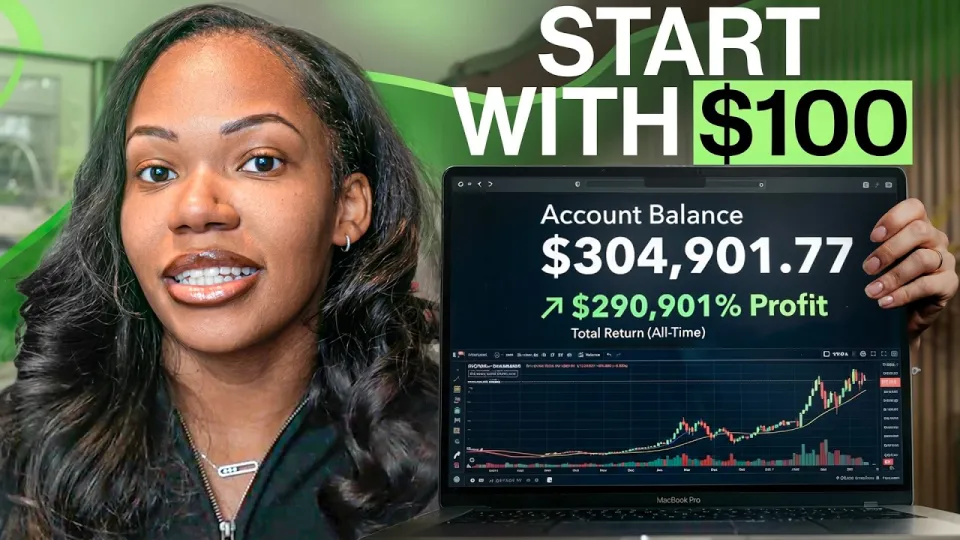
Video: How To Start Trading As A Beginner In 2026 (Step-by-Step)
You can order the same kind of articles for your own video to boost it on YouTube and Google. Just message the Telegram bot @sat_sit_bot. It writes articles around your video, embeds the video and publishes them on popular niche websites (no ads). Free trial — 50 articles.
· based on the channel Sierra Aaliyah
Key takeaways
- Start with $300 to $2,000 and paper trade before risking real money
- Understand basic trading concepts: calls vs puts, options vs futures
- Use Webull for brokerage and TradingView for charting
- Master three foundational concepts: market structure, candlesticks, and psychology
- Most beginners quit in first 2 months — persistence and learning are key
Trading is an accessible skill that anyone can learn with the right approach. To start trading as a beginner, you don't need a large capital or a finance degree — just a willingness to learn and a clear, step-by-step plan. Trading means buying and selling financial instruments like stocks, options, or futures to profit from market movements. To get started, consider joining a community for support and resources, such as the Crystal Academy trading discord which offers guidance and mentorship.
What Trading Actually Is and What It Is Not
Trading is the act of buying and selling assets frequently to capitalize on price fluctuations. It is not a get-rich-quick scheme or gambling. Instead, it requires discipline, education, and risk management. Beginners should understand that trading involves substantial risk and that losses are a natural part of the learning curve. Starting with realistic expectations and small amounts of capital — typically between $300 and $2,000 — helps manage risk.
Understanding Options: Calls vs Puts and Options vs Futures
Options trading is a popular method for beginners due to its versatility. A call option gives the trader the right to buy an asset at a set price within a certain timeframe, while a put option grants the right to sell. This contrasts with futures contracts, which are obligations to buy or sell at a future date, often requiring more capital and carrying higher risk. Beginners should choose options if they prefer flexibility and a schedule that fits their lifestyle. Understanding these basics helps tailor trading strategies to individual goals and risk tolerance.
Essential Tools and Platforms for Beginners
Choosing the right broker and charting platform is vital. Many beginners benefit from using Webull as their broker, which offers commission-free trading and an intuitive interface. For charting and technical analysis, TradingView is widely recommended due to its user-friendly design and extensive features. These tools help track market movements, analyze price patterns, and execute trades efficiently.
Three Foundational Concepts Every Trader Must Master
Before diving deeper, mastering these three concepts is crucial:
- Market Structure: Understanding support, resistance, and trend patterns helps identify entry and exit points.
- Candlestick Reading: Candlesticks visually represent price action and help predict market sentiment.
- Trading Psychology: Managing emotions like fear and greed is essential to maintain discipline and avoid impulsive decisions.
Consistent practice, such as paper trading (simulated trading with fake money), builds confidence. If you cannot double $1,000 on paper, you should not risk real capital.
Common Beginner Challenges and How to Overcome Them
Many beginners quit within the first two months due to losses, frustration, or unrealistic expectations. Key reasons include chasing quick profits, reacting to every market move, and lacking a solid strategy. To avoid these pitfalls:
- Be patient and focus on learning rather than immediate gains.
- Avoid overtrading and stick to your plan.
- Use higher timeframes to reduce noise and emotional stress.
- Seek mentorship or join communities to gain support and accountability.
Real Experiences Reflect the Trading Journey
Traders often share stories of early struggles like losing money or confusion with charts. However, persistence and continuous education lead to milestones such as consistent profits or even six-figure months. Trading is a journey of gradual improvement, and many find that disciplined risk management and mindset shifts transform their approach and results.
Useful Links
- Crystal Academy Trading Discord (mentorship and community): https://whop.com/c/crystal-academy/youtube
- Webull Broker (free stocks with sign-up): https://www.webull.com/k/SierraUSA
- Sierra Aaliyah’s Instagram: https://www.instagram.com/sierra.aaliyah/
- Sierra Aaliyah’s TikTok: https://www.tiktok.com/@sierraxliyah
Conclusion
Starting trading as a beginner requires a solid foundation of knowledge, reliable tools, and realistic expectations. By learning the basics of trading concepts, practicing with paper trading, and managing emotions, you can build skills to trade confidently. Remember that persistence is key, as most beginners face setbacks but succeed by staying committed. The guidance from experienced traders like Sierra Aaliyah and communities such as Crystal Academy can accelerate your progress and keep you motivated. To begin your journey, consider joining the Crystal Academy trading discord for resources and support.
Questions & answers
Is trading a quick way to get rich?
No, trading is not a get-rich-quick scheme. It requires education, discipline, and risk management. Expect to learn over time and avoid risking money you cannot afford to lose.
How much money do I need to start trading?
You can start trading with as little as $300 to $2,000. Starting small helps manage risk while you build skills through practice and education.
What is the difference between calls and puts in options trading?
A call option gives you the right to buy an asset at a fixed price within a set time, while a put option gives you the right to sell it. Calls and puts are basic building blocks of options trading used to profit from market movements.
Why do most beginners quit trading early?
Many beginners quit due to losses, lack of patience, unrealistic expectations, or emotional reactions to the market. Developing a solid plan, managing emotions, and joining supportive communities can help overcome these challenges.
Source: How To Start Trading As A Beginner In 2026 (Step-by-Step) · Markdown version